
Quality Management in Healthcare Organizations: Global
30 essential, best-selling, and most-cited books taught in the world’s leading health management and public health programs. Each record brings together bibliographic details, a cover image, a brief rationale, and the real table of contents; a reading map that runs from the landmark reports of the field to current lean/Six Sigma textbooks.
This list is for global readers. It covers English-language books taught in leading health management and public health programs worldwide. For Turkish-language textbooks and the national SKS, SAS and SDS framework, see the Türkiye edition.
Foundational Texts and Landmark Reports
The IOM reports that founded the field and Berwick's classics: diagnosis of the quality crisis, redesign of the system, and the scientific basis of improvement.
 01
Contents10 entries
- Executive Summary
- A Comprehensive Approach to Improving Patient Safety
- Errors in Health Care: A Leading Cause of Death and Injury
- Why Do Errors Happen?
- Building Leadership and Knowledge for Patient Safety
- Error Reporting Systems
- Protecting Voluntary Reporting Systems from Legal Discovery
- Setting Performance Standards and Expectations for Patient Safety
- Creating Safety Systems in Health Care Organizations
- Appendixes
- Background and Methodology; Glossary; Literature Summary; State Adverse Event Reporting Systems
 02
Contents11 entries
- Executive Summary
- A New Health System for the 21st Century
- Improving the 21st-Century Health Care System
- Formulating New Rules to Redesign and Improve Care
- Taking the First Steps
- Building Organizational Supports for Change
- Applying Evidence to Health Care Delivery
- Using Information Technology
- Aligning Payment Policies with Quality Improvement
- Preparing the Workforce
- Appendixes
- The State of Quality; Insights from Complex Adaptive Systems
 03
Contents10 entries
- Symptoms of Stress in the Health Care System
- Applying Quality Management to Health Care
- Foundations of Quality Management
- Using the Scientific Method to Define Problems
- Organizing Quality Improvement Teams
- The Diagnostic Journey
- Implementing Successful Remedies
- Holding and Extending the Gains
- Ten Key Lessons for Quality Improvement
- Foreword: Joseph M. Juran · Afterword: David A. Garvin
 04
Contents11 entries
- Kevin Speaks
- Buckling Down to Change
- Quality Comes Home
- Run to Space
- Sauerkraut, Sobriety, and the Spread of Change
- Why the Vasa Sank
- Eagles and Weasels
- Escape Fire
- Dirty Words and Magic Spells
- Every Single One
- Plenty
Comprehensive Textbooks and Reference Works
The core textbooks taught in the world's leading health management programs: the principles, tools, and systems view of quality management.
 05
Contents13 entries
- Section I: Fundamentals of Healthcare Quality
- Introduction to Healthcare Quality
- Quality Improvement Models and Methods
- Variation in Medical Practice
- Statistical Tools for Quality Improvement
- Section II: Critical Quality Topics
- Safety Science and High Reliability Organizing
- Health Equity and Diversity
- Population Health
- Measuring What Matters
- Value-Based Purchasing
- The Digitization of Healthcare
- Section III: Leading Quality
- Health System Transformation
- Governance for Quality
- Case Studies in Quality Improvement
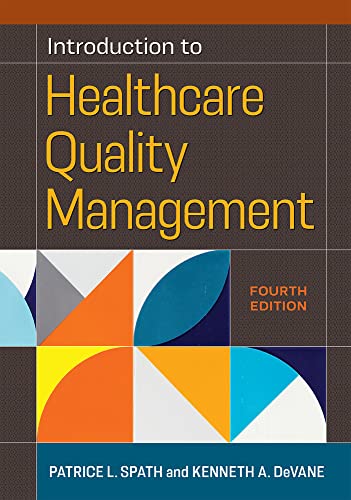 06
Contents12 entries
- Focus on Quality
- Quality Management Building Blocks
- Measuring Performance
- Evaluating Performance
- Continuous Improvement
- Performance Improvement Tools
- Improvement Project Teams
- Overcoming Stalled or Failed Improvement Projects
- Improving Patient Safety
- Achieving Reliable Quality and Safety
- Managing the Use of Healthcare Resources
- Organizing for Quality
 07
Contents14 entries
- Section 1: Quality Management: A Systems Approach
- Quality Management Fundamentals
- Role of Policy in Advancing Quality
- Characteristics of Complex Systems
- Understanding System Behavior
- Visualizing System Relationships
- Section 2: Setting the Stage for Success
- Establishing System Direction
- Setting Improvement Goals in Complex Systems
- Fostering a Culture of Collaboration and Teamwork
- Section 3: Achieving Quality Results in Complex Systems
- Measuring Process and System Performance
- Using Data Analytics Techniques to Evaluate Performance
- Designing and Implementing Improvements
- Using Improvement Teams and Tools
- Making Healthcare Safer for Patients
- Section 4: Practice Lab
- Reflective Journal · FMEA · Improvement Case Studies
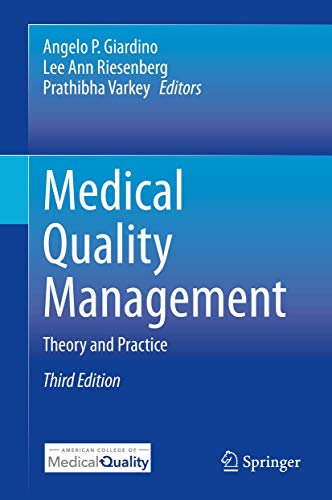 08
Contents12 entries
- Introduction to Health Care Quality
- Basics of Quality Improvement
- Quality Measurement
- Patient Safety
- Health Informatics
- Data Analytics for the Improvement of Healthcare Quality
- Utilization Management, Case Management, and Care Coordination
- Organization Design and Management
- Economics and Finance in Medical Quality Management
- External Quality Improvement: Accreditation, Certification, and Education
- The Interface Between Quality Improvement and Law
- Ethics and Quality Improvement
 09
Contents12 entries
- The Rationale for Quality Improvement in Health Care
- Group Processes in Health Care Quality Improvement
- Process Orientation in Health Care
- Statistical Process Control
- Statistical Process Control Approaches
- Advanced Statistical Process Control
- Advanced Statistical Applications in CQI
- Clinical Processes
- Strategies for Implementing Quality Improvement
- Making Continuous Quality Improvement Work
- Legal and Regulatory Issues in Quality Improvement
- The Future of Continuous Quality Improvement in Health Care
Continuous Quality Improvement and Improvement Science
CQI, the Model for Improvement (PDSA), the clinical microsystem approach, and root cause analysis: the methods and theory of improvement.
 10
Contents14 entries
- The Global Evolution of Continuous Quality Improvement
- Factors Influencing the Application and Diffusion of CQI
- Integrating Implementation Science Approaches into CQI
- Understanding Variation, Tools, and Data Sources for CQI
- Lean and Six Sigma Management: Patient Flow Physics
- Understanding and Improving Team Effectiveness in QI
- The Role of the Patient in Continuous Quality Improvement
- A Social Marketing Approach to CQI Adoption
- Assessing Risk and Preventing Harm in the Clinical Microsystem
- Classification and the Reduction of Medical Errors
- CQI in U.S. Public Health Organizations
- Health Service Accreditation
- Quality Improvement in Low- and Middle-Income Countries
- Future Trends and Challenges for CQI in Health Care
 11
Contents10 entries
- Part One: Introduction to Improvement
- Changes That Result in Improvement
- Skills to Support Improvement
- Improvement Case Studies
- Part Two: Methods for Improvement
- The Science of Improvement
- Using the Model for Improvement
- Developing / Testing / Implementing a Change
- Spreading Improvements
- Improving Large or Complex Systems
- Part Three: Improving Value as a Business Strategy
- Making the Improvement of Value a Business Strategy
- Developing Improvement Capability
- Appendixes: Change Concepts; Tools and Methods
 12
Contents13 entries
- Part One: Cases and Principles
- Success Characteristics of High-Performing Microsystems
- Developing High-Performing Microsystems
- Leading Microsystems / Macro- and Mesosystems
- Developing Professionals and Improving Worklife
- Planning Patient-Centered Services and Care
- Improving Patient Safety
- Creating a Rich Information Environment
- Part Two: Dartmouth Microsystem Improvement Curriculum
- Introduction to Microsystem Thinking
- Assessing Your Microsystem with the 5 P's
- The Model for Improvement: PDSA / SDSA
- Process Mapping · Cause and Effect · Change Concepts
- Measurement and Monitoring · Action Plans
- Storyboards, Data Walls, and Playbooks
 13
Contents11 entries
- Root Cause Analysis in Healthcare
- The Root Cause Analysis Process
- Step 1: Define the Event
- Step 2: Find Causes
- Step 3: Find the Root Cause
- Step 4: Find Solution(s)
- Step 5: Take Action
- Step 6: Measure and Assess
- Advanced Tools
- Hardwiring the Use of RCA
- The Future of Root Cause Analysis in Healthcare
Lean, Six Sigma, and the Toyota Approach
Lean transformation in healthcare, the Six Sigma project approach, and hospital applications of the Toyota Production System; the Virginia Mason and ThedaCare cases.
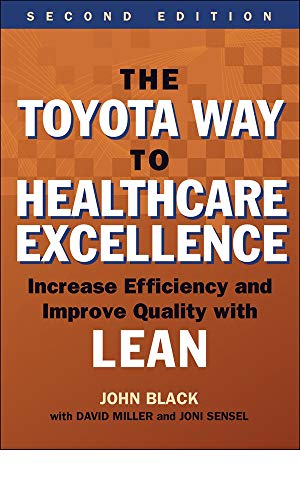 14
Contents11 entries
- Part I: Introduction
- An Open Letter to Healthcare Leaders
- Eliminating Waste Will Transform Health Care
- A Brief History of Lean
- Part II: Implementation
- The 'Lean House' and Model Lines
- Your Lean Action Plan
- Building Kaizen Leaders
- Flow in a Healthcare Environment
- Kanban and the Supply Chain
- Part III: Case Examples
- Lean at Virginia Mason Medical Center
- Lean at Park Nicollet Health Services
- Part IV: Large-Scale Lean (Saskatchewan)
- Epilogue: The View from a Decade Down the Road
 15
Contents13 entries
- The Need for Lean Hospitals
- Overview of Lean for Hospitals
- Value and Waste
- Observing the Process and Value Streams
- Standardized Work as a Foundation of Lean
- Lean Methods: Visual Management, 5S, and Kanban
- Proactive Root Cause Problem Solving
- Preventing Errors
- Improving Flow
- Lean Design
- Engaging and Leading Employees
- Getting Started with Lean
- A Vision for a Lean Hospital
 16
Contents7 entries
- Lean Healthcare Process
- Focus on Value
- Minimize Time
- Continuous Improvement
- Lean Healthcare People
- Engaging Doctors
- Remodeling Behavior
- Succession
- End Note
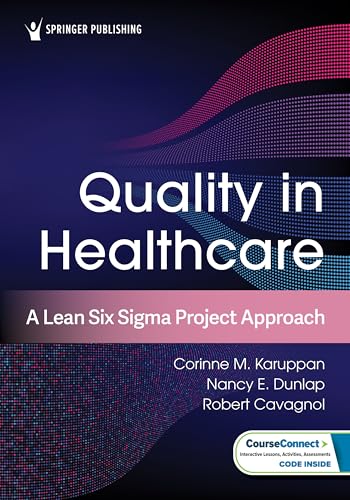 17
Contents7 entries
- Part I: Introduction
- Quality First
- Introduction to Lean Six Sigma
- Part II: Define
- Process Selection and Description
- Voice of the Customer and Voice of the Process
- Project Management
- Part III: Measure
- Process Measurement · Data Visualization
- Process Stability and Capability
- Part IV: Analyze — Problem Solving
- Part V: Improve — Process Redesign (I & II)
- Part VI: Control — Sustaining the Improvement
- Part VII: Accreditation, Awards, and the HRO
- Part VIII: Advanced LSS Tools (Gage R&R, Hypothesis Testing)
 18
Contents12 entries
- Foreword (Donald M. Berwick)
- Preface: A Surprising Visit
- A New Idea
- Journey to Japan
- The Blue Yarn
- Safety Crusade
- Ambulatory Care Breakthrough
- Transforming Procedural Care
- Transforming Inpatient Care
- Better, Faster, More Affordable
- Management Method
- The Journey Continues
Measurement, Data, and Statistical Methods
Shewhart/control charts, run charts, performance analytics, and high-velocity learning: the path from data to improvement.
 19
Contents12 entries
- Part I: Using Data for Improvement
- Improvement Methodology
- Using Data for Improvement
- Understanding Variation Using Run Charts
- Learning from Variation in Data
- Understanding Variation Using Shewhart Charts
- Shewhart Chart Savvy: Dealing with Issues
- Part II: Advanced Theory and Methods
- More Shewhart-Type Charts
- Special Uses for Shewhart Charts
- Drilling Down into Aggregate Data
- Part III: Applications in Health Care
- Learning from Individual Patient Data
- Learning from Patient Feedback
- Using Shewhart Charts in Health Care Leadership
- Part IV: Case Studies
 20
Contents10 entries
- Healthcare Leadership and Strategy
- Organizational Performance Management
- Analytics in Healthcare Improvement
- Quality Management
- Project Management and Change Management
- Process Management and Re-engineering
- Lean and Six Sigma
- Organizational Behavior in Performance Improvement
- Productivity Management
- Evidence-Based Healthcare and Information Systems
 21
Contents10 entries
- Getting to the Front of the Pack
- Complexity: The Good News and the Bad News
- How Complex Systems Fail / Succeed
- High Velocity Under the Sea, in the Air, and on the Web
- Capability 1: System Design and Operation
- Capability 2: Problem Solving and Improvement
- Capability 3: Knowledge Sharing
- Capability 4: Developing High-Velocity Skills in Others
- High-Velocity Crisis Recovery
- Creating High-Velocity Health-Care Organizations
Safety, High Reliability, and Culture
Patient safety, high reliability organizations, safety culture, and checklists: the safety dimension interwoven with quality.
 22
Contents14 entries
- Section I: Introduction to Patient Safety and Medical Errors
- The Nature and Frequency of Medical Errors
- Basic Principles of Patient Safety
- Safety, Quality, and Value
- Section II: Types of Medical Errors
- Medication / Surgical / Diagnostic Errors
- Human Factors and the Person–Machine Interface
- Transition and Handoff Errors
- Teamwork and Communication Errors
- Healthcare-Associated Infections
- Section III: Solutions
- Information Technology
- Reporting Systems and Root Cause Analysis
- Creating a Culture of Safety
- Workforce, Education and Training Issues
- Accountability · Accreditation and Regulations
- Organizing a Safety Program
 23
Contents9 entries
- Mismanaging the Unexpected
- The Infrastructure of Mindful Organizing
- Principle 1: Preoccupation with Failure
- Principle 2: Reluctance to Simplify
- Principle 3: Sensitivity to Operations
- Principle 4: Commitment to Resilience
- Principle 5: Deference to Expertise
- Organizational Culture and Reliability
- Sustaining Sustained Performance
 24
Contents10 entries
- Introduction
- The Problem of Extreme Complexity
- The Checklist
- The End of the Master Builder
- The Idea
- The First Try
- The Checklist Factory
- The Test
- The Hero in the Age of Checklists
- The Save
 25
Contents8 entries
- Assessing the Safety Climate and Culture
- Effective Teamwork and Communication
- Building Safeguards into Clinical Processes
- Accountability and a Systems Approach to Error
- Disclosure and Open Communication After Adverse Events
- Event and Incident Reporting Systems
- Executive WalkRounds
- Tools for Identifying and Mitigating Patient Harm
Value, Strategy, and Performance Excellence
Value-based competition, the Baldrige performance excellence framework, and the value management office: works that tie quality to strategy.
 26
Contents9 entries
- Introduction
- Scoping the Problem
- Identifying the Root Causes
- How Reform Went Wrong
- Principles of Value-Based Competition
- Principles of Value-Based Competition
- Implications
- Strategic Implications for Health Care Providers
- Strategic Implications for Health Plans
- Implications for Suppliers, Consumers, and Employers
- Health Care Policy and Value-Based Competition
 27
Contents12 entries
- Part I: Principles of Quality Management
- Introduction to Quality
- Foundations of Quality Management
- Customer Focus · Workforce Focus · Process Focus
- Part II: Tools and Techniques for Quality
- Statistical Methods in Quality Management
- Design for Quality and Product Excellence
- Measuring and Controlling Quality
- Process Improvement and Six Sigma
- Part III: Managing for Performance Excellence
- The Baldrige Framework for Performance Excellence
- Strategy and Performance Excellence
- Measurement and Knowledge Management
- Leadership for Performance Excellence
- Building and Sustaining Quality and Performance Excellence
 28
Contents11 entries
- Executive Summary
- Healthcare Landscape
- How to Measure Value
- Value Management Office
- Value Realization Framework
- Steps in the Value Realization Framework
- Outcome Metrics
- Common Operating Picture
- Program Core Metrics · Technical Metrics
- Other Index Metrics
- Change Management
Patient Experience, Nursing, and Accreditation
Patient experience design and quality-safety competencies in nursing: the human face of care and the professional education dimension.
 29
Contents10 entries
- Redefine the Competition and Focus on What Can't Be Measured
- Make Courtesy More Important Than Efficiency
- Regard Patient Satisfaction as Fool's Gold
- Measure to Improve, Not to Impress
- Decentralize the Authority to Say 'Yes'
- Change the Concept of Work from Service to Theater
- Harness the Motivating Power of Imagination
- Create a Climate of Dissatisfaction
- Cease Using Competitive Monetary Rewards to Motivate
- Close the Gap Between Knowing and Doing
 30
Contents12 entries
- Section 1: Quality and Safety
- Driving Forces for Quality and Safety
- Policy Implications Driving National Initiatives
- The Evolution of QSEN
- Section 2: Quality and Safety Competencies
- Patient-Centered Care
- Teamwork and Collaboration
- Quality Improvement
- Evidence-Based Practice
- Safety
- Informatics
- Section 3: Building a Culture of Quality and Safety
- Narrative Pedagogy · Simulation · Interprofessional Education
- Transition-to-Practice Programs
- Leadership to Create Change