

Ethical Preparedness in the Era of Genomic Healthcare
The concept of preparedness has gained significant attention in recent times, often associated with responding to sudden, unexpected, and undesirable events such as pandemics. However, ethical preparedness extends beyond crisis management to encompass the successful integration of planned and desired healthcare innovations, particularly in the rapidly advancing field of genomic medicine. This crucial attribute is essential for practitioners and organizations aiming to deliver ambitious healthcare programs.
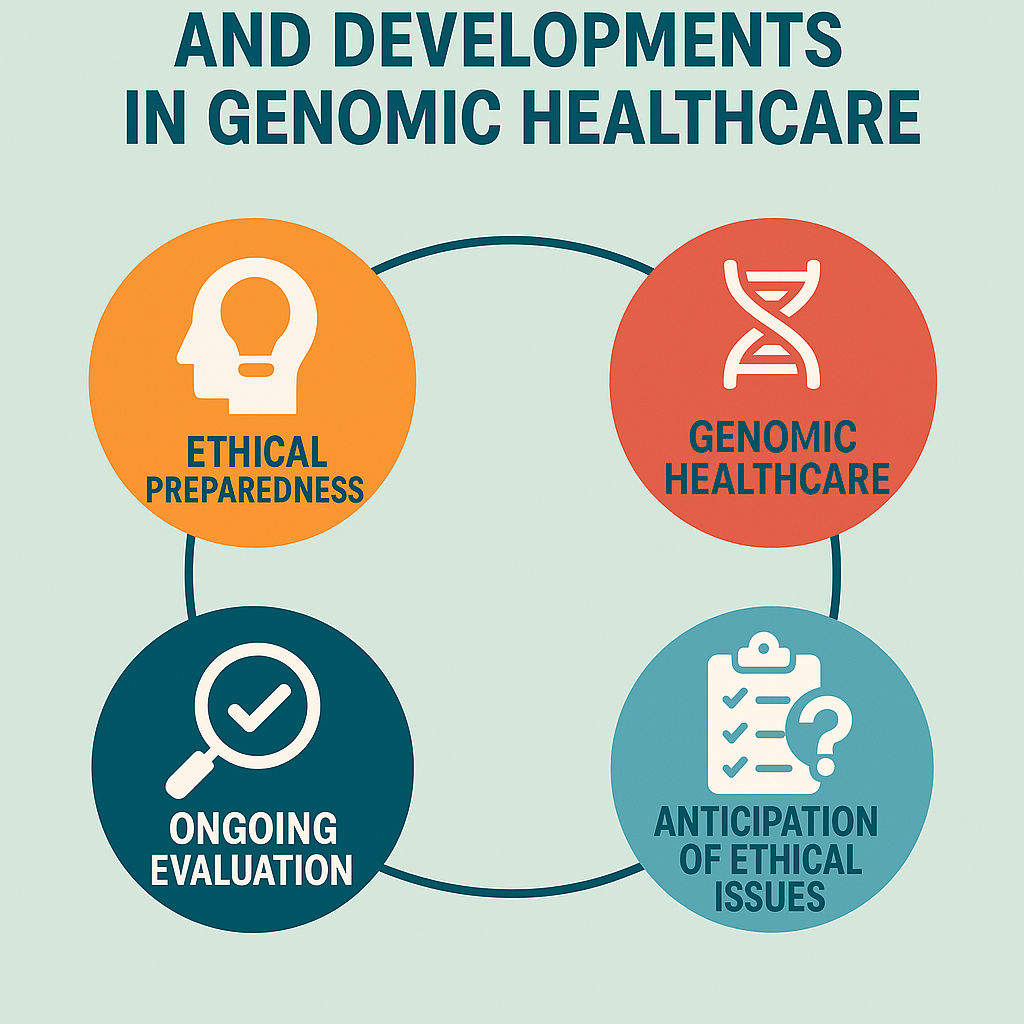
Defining and Understanding Ethical Preparedness Ethical preparedness is defined as the capacity to identify and articulate ethical issues in a timely and ongoing manner, coupled with the tools, skills, or access to expertise needed to address them. It is not a static state but rather a dynamic and continuous response to the challenges posed by healthcare innovations and shifts in established services. True ethical preparedness moves beyond a default view of ethics as merely governance structures, formal committees, rules, and legal compliance. Instead, it demands a richer, more nuanced approach that is integrated into all stages of change and innovation, running in parallel with technical and infrastructure preparations and predating ethical approval stages. It also necessitates a willingness to engage with past practices, develop a nuanced understanding of the present context, and plan for future possibilities, including the analysis of failures alongside successes.
The Imperative for Genomic Healthcare Rapid advancements in genetic and genomic technologies promise significant transformations in healthcare, offering improved and earlier diagnoses. However, this progress simultaneously introduces complex challenges for healthcare practitioners and policymakers, extending beyond practical concerns like cost and turnaround times. While the study of genetics is not new, the exponential improvement in analyzing the genetic code, making whole genome sequencing affordable and quick, has brought new uncertainties. For instance, genomic testing can reveal that social and genetic relationships do not always align as expected, and predictions about untreatable diseases may not always be welcomed. As genomic medicine integrates into more specialties, practitioners increasingly grapple with ethical issues that require tailored solutions rather than “off the shelf” answers. The very act of introducing such novel technologies places new responsibilities on professionals and exposes patients to new experiences, which include novel ethical considerations.
Practical Application and Challenges An important element of ethical preparedness involves clarifying and highlighting ethical issues, as well as revealing difficulties in resolving them, which should be integral to pilot studies and implementation plans. The responsibility to evaluate ethical impact remains even as innovative technologies, like genomic medicine, become more mainstream.
A long-standing example of commitment to ethical preparedness is the UK Genethics Forum, established in 2001. This multidisciplinary forum provides a space for professionals in clinical genetics and related fields to discuss the intricacies of particular cases, share experiences, and work towards models of good practice. The forum emphasizes understanding scientific, medical, and clinical context and appreciating the salience of facts in particular cases, fostering ethical clarity through discursive and reflective processes. This approach helps practitioners develop ethical preparedness that is rooted in real-world experience rather than solely in legal or professional guidance.
However, achieving ethical preparedness faces several challenges:
- Multi-level Engagement: Preparedness needs to be built at various levels—national, institutional, and individual—and their interrelation is crucial. Problems arise when there are disconnects, such as individuals lacking support from their employers or the wider healthcare system.
- Policy and Economic Landscape: The integration of genomics is influenced by political and economic motivations, including its global marketability and partnerships beyond traditional healthcare models. Public support for genomic endeavors, while present, can be fragile, especially when applications extend “beyond health” into areas like general genomic future reports, raising concerns about data use.
- Workforce Readiness: The current state of healthcare services, including the ongoing impact of the COVID-19 pandemic, funding crises, and industrial action, exacerbates the challenge of introducing ambitious health interventions like genomic medicine. There is a need to train new actors (e.g., midwives) for expanded screening programs and to develop new understandings of what constitutes a genomic result, given the changing significance of an individual’s genetic code over their lifetime.
- Support for Professionals: It is critical to ensure that healthcare professionals are not only capable and motivated but also have the opportunity, capacity, and support to undertake the complex moral labor involved in new programs. While advisory committees exist, their influence may diminish once services are operational, particularly when they move into general healthcare.
The Way Forward Building genuine ethical preparedness requires creating and supporting opportunities to explore wider ethical issues, especially given the complexities of genomic medicine and newborn screening. It involves going beyond committee rooms and policy hubs to ensure engagement is not merely a form of conscription or a trust-building exercise. An ethically prepared workforce, by definition, will be alert and concerned, which should be viewed as an asset rather than a danger, crucial for the successful implementation of any genomic initiative. Ultimately, the question of whether the time is right for genomic interventions must extend beyond technological readiness to encompass whether society, the healthcare environment, and its workforce are truly prepared to use and accommodate it.
References
Farsides, B., & Lucassen, A. M. (2025). Ethical preparedness and developments in genomic healthcare. J Med Ethics, 51, 213–218.
Cite this page (APA 7)
Kurutkan, M. N. (2025, July 19). Ethical Preparedness in Genomic Healthcare. The Health Topics. https://healthtopic.org/topics/ethical-preparedness-in-genomic-healthcare/